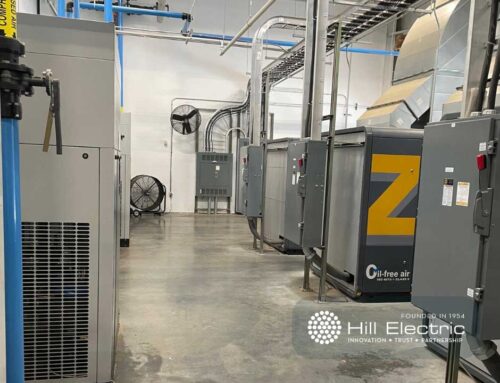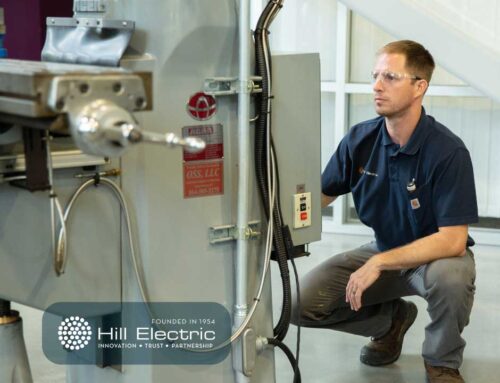
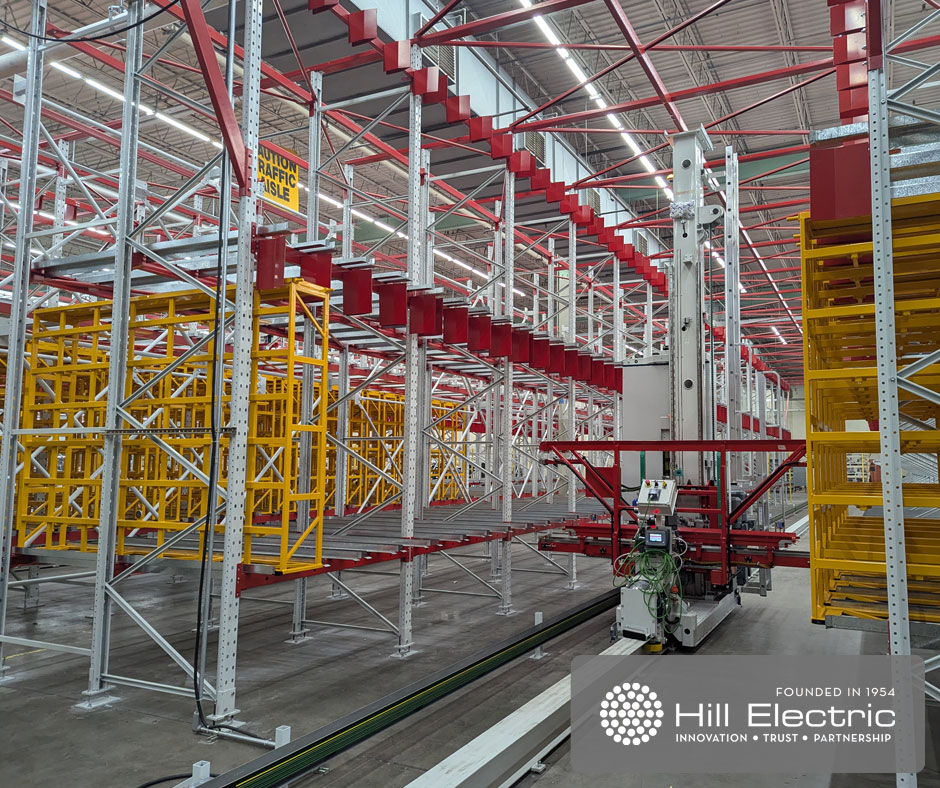
When manufacturers move or expand, one of the biggest challenges is safely relocating used electrical equipment. Whether it’s a single machine or an entire production line, every detail—from disconnection to final power-up—requires precision and planning.
Effective Electrical Safety Practices
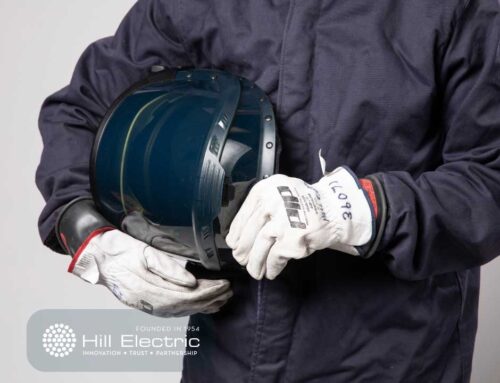
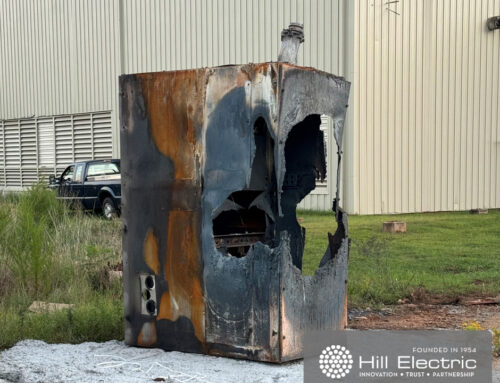
Used electrical systems can pose risks that aren’t obvious at first glance. Hill Electric’s technicians follow strict electrical safety procedures to protect both people and equipment:
Benefits of Moving and Installing Used Electrical Equipment
Choosing secondhand or pre-owned electrical equipment can deliver major advantages:
When properly inspected, installed, and tested, used electrical equipment can operate just as efficiently as new.
Essential Training for Electrical Relocation
Not every electrician is trained for equipment relocation. Hill Electric’s team maintains specialized certifications to handle complex plant moves safely and efficiently.
Hill Electric’s electricians combine these certifications with decades of hands-on experience in manufacturing environments.
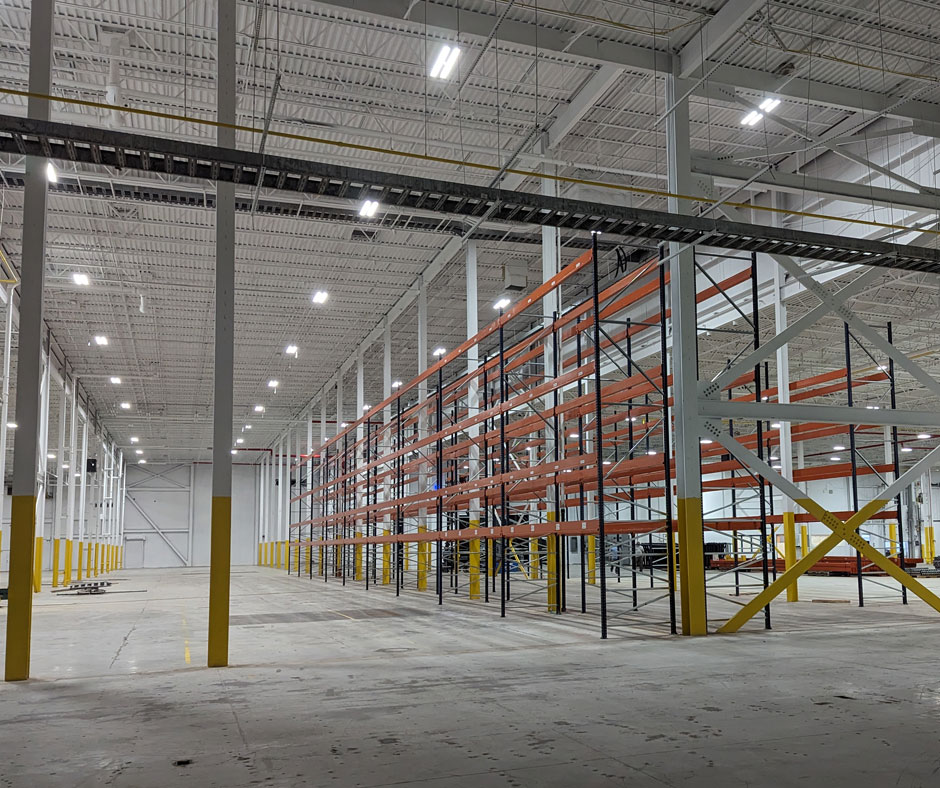
Pro Tips for a Successful Reinstallation
Experience has taught us that a few smart practices make a world of difference:
Hill Electric’s Experience in Factory Relocation
For more than six decades, Hill Electric has helped manufacturers relocate safely, minimize downtime, and get production running faster.
Planning a move or expansion? Let our experienced team handle your electrical relocation—from disconnection to final startup—so you can focus on keeping production on schedule.